
How History Shapes Wizarding Memory
The Tales of Beedle the BardThis flow follows Dumbledore’s use of stories and historical examples to explain how wizarding customs acquire political meaning.
increasing Bearing strength in each event
 decreasing
Bearing strength in each eventdecreasingStories Carry Public Ideas
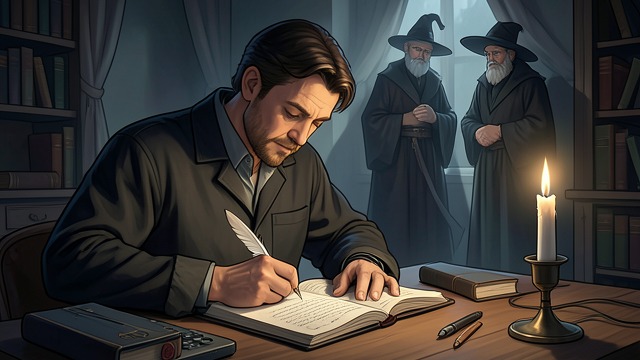
Stories Carry Public Ideas
More than bedtime reading
Dumbledore treats Beedle’s tales as records of wizarding attitudes and anxieties.
Memory interpreted
His notes connect familiar stories to laws, social divisions, and magical practices.
The commentary makes folklore a route into history.
Witch-Hunt Testimony
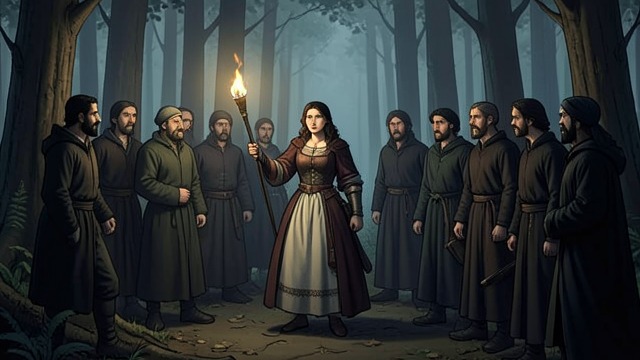
Witch-Hunt Testimony
Danger remembered
Dumbledore explains why magical families feared exposure during European witch hunts.
Selective survival
Some genuine witches and wizards escaped, but others, especially vulnerable young people, died.
The history complicates both the tale’s optimism and later claims that contact was harmless.
Animagi in an Old Tale
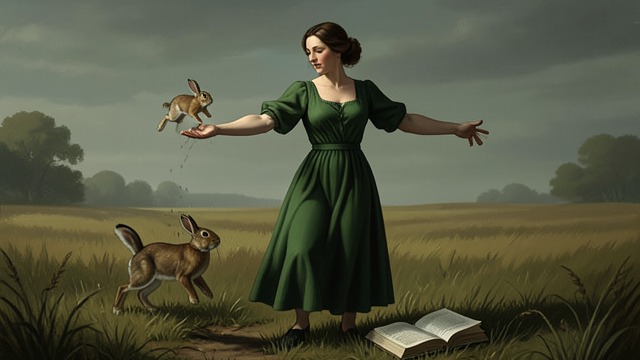
Animagi in an Old Tale
A literary precedent
Dumbledore identifies Babbitty as an early literary example of a witch able to transform into an animal.
History remains uncertain
He considers whether the story drew on the reported escape of Lisette de Lapin but does not treat the connection as proven.
The commentary separates possibility from established fact.
Registers and Suspicion

Registers and Suspicion
A rare ability
Dumbledore explains that perfect transformation requires extensive study and practice.
Oversight justified
Because transformation can aid concealment or crime, the Ministry of Magic requires an Animagus register.
His account presents regulation as a response to risk, not proof that every Animagus is dangerous.
A Law Takes Shape
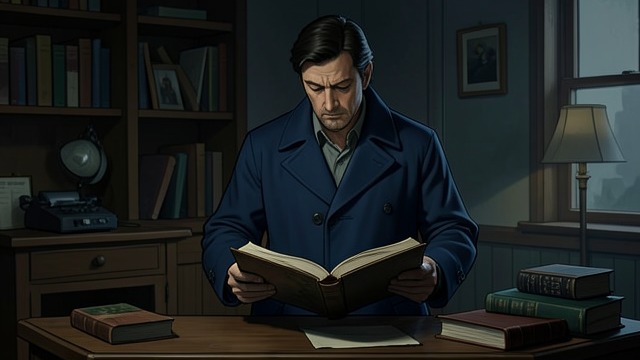
A Law Takes Shape
Dark curses classified
Dumbledore notes that the Cruciatus, Imperius, and Killing Curses were classified as Unforgivable in 1717.
History revises the reading
He considers how such magic could have informed the threat in Babbitty’s story before that classification.
Folklore and legal history illuminate one another.
In Dumbledore’s opening commentary
During the fifteenth-century persecution
In Dumbledore’s note on Babbitty
In Dumbledore’s discussion of Animagi
In 1717
